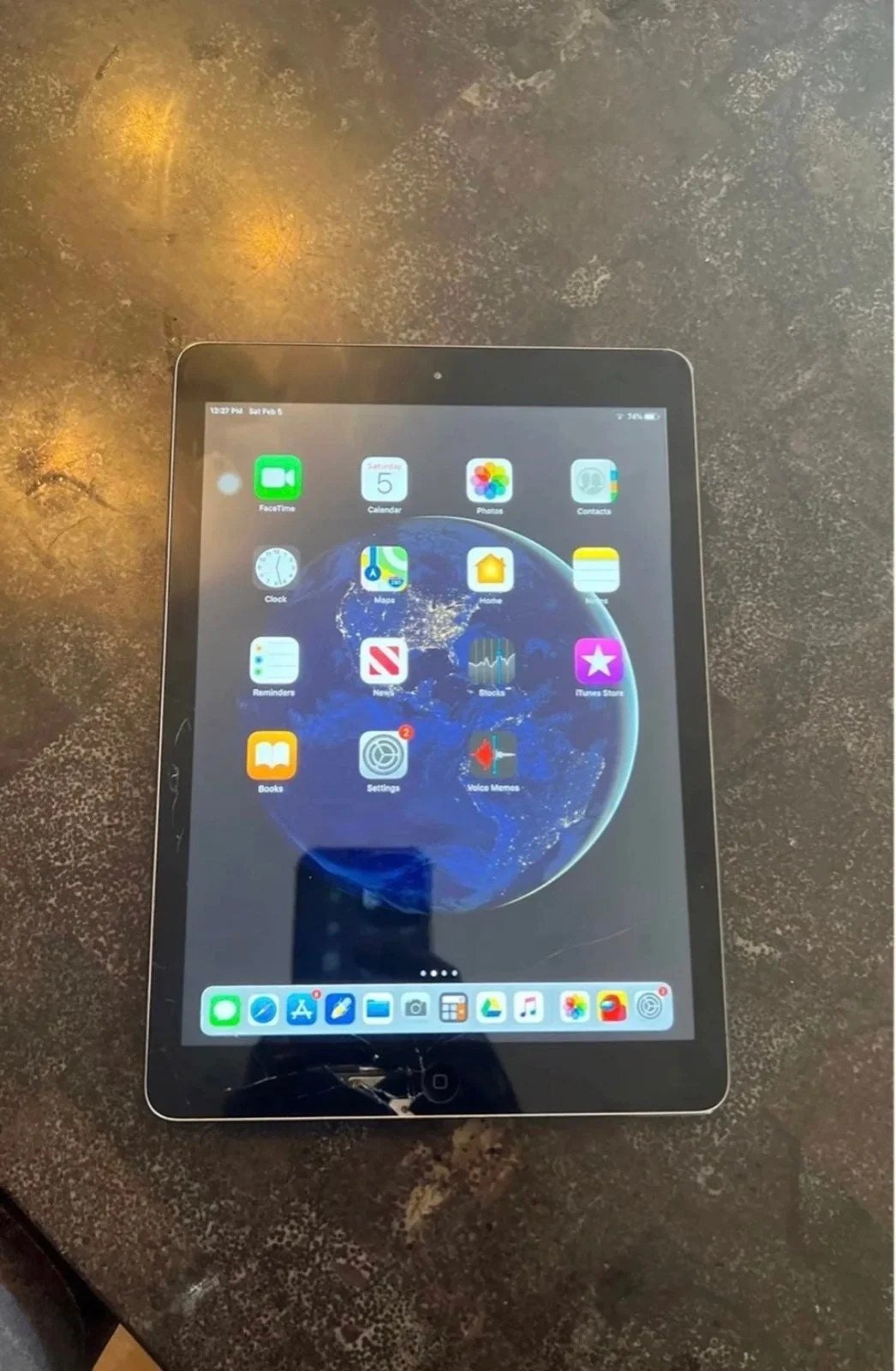
The year was 2010. Smartphones were gaining traction, and laptops dominated personal computing. Then, Steve Jobs walked onto a stage and introduced something "magical and revolutionary"—the iPad 1st generation. It wasn't just another gadget; it was a bold statement, a vision for a new way to interact with digital content, lying somewhere between a smartphone and a laptop. This device didn't just create a new product category; it ignited a revolution that fundamentally reshaped how we consume media, create, and connect.
The Dawn of the Tablet Era: A Historical Perspective
Before the original iPad, tablets had largely been niche devices, often clunky or expensive, failing to capture mainstream imagination. Apple's approach, however, was different. They distilled the essence of touch-based computing, perfected by the iPhone, into a larger, more immersive format. The 9.7-inch multi-touch slab with its smooth aluminum and glass felt instantly intuitive, pushing the boundaries of what consumers expected from a portable device. For a deeper dive into how this device forever changed the tech landscape, consider exploring The Original iPad: A Historical.
Unpacking the Pioneer: Design and Core Specifications
From its robust 0.5-inch thick, 1.5-pound frame of glass and aluminum to its impressive 10-hour battery life, the iPad 1st generation was a marvel of engineering for its time. It boasted a crisp 9.7-inch IPS display with a 1024x768 resolution, powered by Apple's custom A4 chip running at 1 GHz. Connectivity was handled by the familiar 30-pin connector, while Wi-Fi, an accelerometer, ambient light sensor, and digital compass offered a suite of foundational features. Notably, it launched without cameras, a detail that would quickly change in subsequent generations, but didn't deter millions from embracing this groundbreaking device. To truly appreciate the technical ingenuity that went into its creation, you can Explore First-Gen iPad Design and Specs.
Navigating the Early App Landscape: Software and Compatibility
The original iPad ran on iPhone OS 3.2, which was soon updated to iOS 4 and eventually iOS 5.1.1. This early software experience, while revolutionary for its touch interface, was also foundational for the App Store's expansion beyond the iPhone. Apps designed specifically for the larger screen started to emerge, transforming everything from reading books to browsing the web into a more engaging experience. However, its software journey eventually concluded, meaning newer apps and operating system features are no longer supported. To understand the software journey and what that means for its current usability, delve into Software, Apps, and iOS Compatibility.
The Genesis of a Dynasty: The iPad's Enduring Legacy
The iPad 1st generation laid the groundwork for a rich and diverse family of devices that would follow. Its immediate successor, the iPad 2, introduced cameras and a thinner design, establishing a rapid iteration cycle. From the Retina display of the iPad 3, the shift to Lightning ports with the iPad 4, and the introduction of smaller (iPad mini) and lighter (iPad Air) variants, each generation built upon the original's core concept. Later, the professional-grade iPad Pro models, with Apple Pencil and M-series chips, pushed the boundaries of what a tablet could do, from creative work to laptop replacement. Even the base iPad lineup continued to evolve, consistently offering more power and features at accessible price points, right up to the M4-powered OLED Pro models and A16 Bionic-equipped 11th-gen iPads of today.
Bringing a Classic Back: Practical Uses for a Vintage iPad
While the original iPad won't run the latest apps or browse modern, heavy websites with ease, it still holds potential for specific uses. It can be a dedicated digital photo frame, a simple e-reader, or even a basic media player for content already loaded onto it. Its robust build makes it a surprisingly durable device for these simpler tasks. For those wondering how to give this piece of history a new lease on life, learn more about Reviving and Practical Uses for the first-gen model.
More Than a Device: Collecting the Original iPad
For tech enthusiasts and collectors, the iPad 1st generation isn't just an outdated gadget; it's a significant artifact. It represents a pivotal moment in consumer electronics, the device that single-handedly established the tablet market. A well-preserved original iPad, especially one in its original packaging, can hold significant sentimental and even monetary value. It serves as a tangible reminder of Apple's design philosophy and its disruptive impact on the industry. If you're interested in its place in tech history and its current market appeal, you might want to Discover original iPad vintage value.
A Foundation for Future Innovation
The iPad 1st generation wasn't perfect, nor was it meant to be. It was the crucial first step, a groundbreaking device that dared to ask, "What if computing could be this simple, this personal, this portable?" From its humble beginnings, the iPad ecosystem has exploded, evolving into a diverse range of devices spanning the powerful M4-equipped iPad Pro to the versatile iPad Air and the ultra-portable iPad mini. Each iteration, year after year, pushed boundaries in display technology, chip performance, and accessory integration, all while staying true to the original vision of making computing more intuitive and accessible. The legacy of that "magical and revolutionary" slab continues to shape the future of personal technology.