It redefined an entire product category, a sleek slate of glass and aluminum that promised the future of computing: the original iPad. Launched in 2010, this device captivated the world, offering a novel way to interact with digital content. Yet, for anyone holding one today, a fundamental question quickly arises: What about Software, Apps, and iOS Compatibility for the iPad 1st Generation? The answer, while steeped in a decade-plus of technological evolution, is crucial for understanding what this pioneering tablet can — and cannot — do in our modern digital landscape.
The truth is, while the first iPad remains an iconic piece of tech history, its software capabilities are now severely constrained. It's a testament to how rapidly the digital world moves, leaving even revolutionary devices behind if they can't keep pace with operating system and application updates.
At a Glance: Key Takeaways for Your Original iPad
- Operating System Ceiling: The iPad 1st Generation cannot run any iOS version beyond iOS 6. This is its permanent software limit.
- App Store Access: Most modern apps require newer iOS versions, making the official App Store largely inaccessible for new downloads.
- Web Browsing Challenges: Older browsers and lack of current security updates mean many modern websites will either not load correctly or pose security risks.
- No iPadOS: It predates "iPadOS" entirely, having launched when the OS was still called "iPhone OS" (later iOS).
- Limited Utility: It's best suited for very specific, offline, or legacy tasks rather than general modern use.
- No Multitasking (Initially): While iOS 4 introduced multitasking, its implementation on the original iPad is basic by today's standards.
The Immutable Software Barrier: iOS 6 and Beyond
The core of the iPad 1st Generation's limitations lies squarely with its operating system. When the original iPad first hit the market, it ran on iPhone OS 3.2, a precursor to what we now know as iOS. A significant update, iOS 4, followed shortly after, notably bringing system-wide multitasking to the device—a feature absent at launch that dramatically improved its utility.
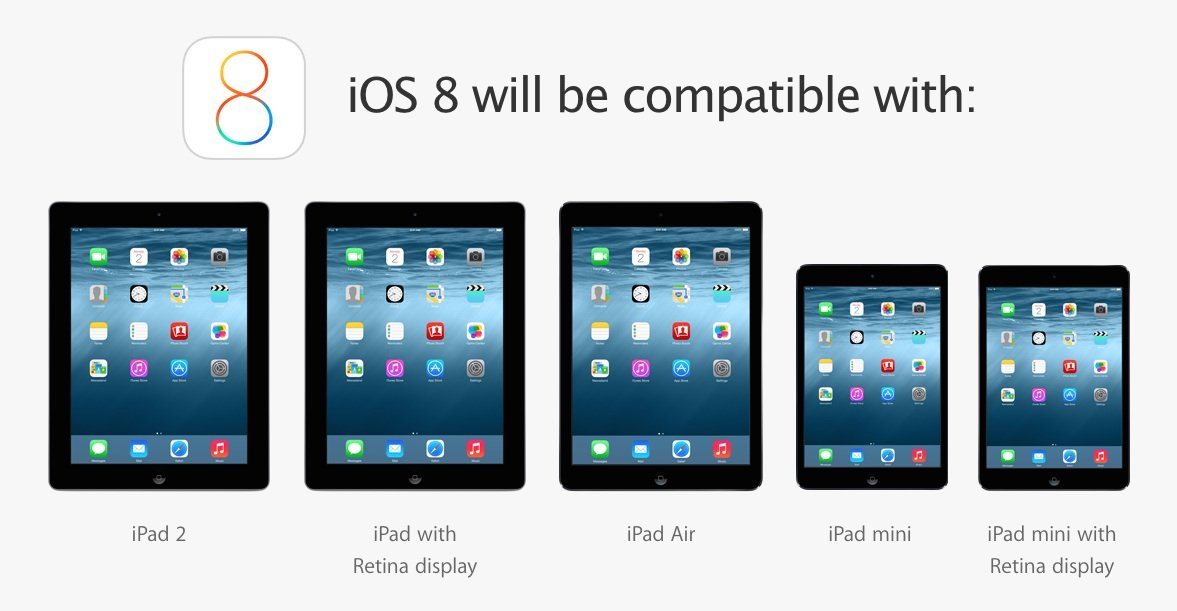
However, the journey for the original iPad stops definitively at iOS 6. This is a hard technical limit, rooted in the device's internal architecture, processor, and memory constraints. Unlike later models that might limp along with basic support for newer operating systems, the iPad 1st Generation simply cannot install or run any subsequent iOS versions like iOS 7, 8, or certainly not the modern iPadOS.
This isn't merely an inconvenience; it's a fundamental blockade. Think of it like trying to run Windows 11 on a computer built for Windows 95. The underlying code, hardware drivers, and system architecture are simply incompatible. Apple's operating system updates are free, but they aren't endless. Each new version brings demands that older hardware just can't meet efficiently or safely.
For those eager to understand the lineage of this groundbreaking device, you can Learn more about the original iPad and its initial specifications. Its early operating system journey was brief but impactful.
The App Store Divide: Why Modern Apps Won't Install
With its iOS 6 ceiling, the iPad 1st Generation faces a stark reality when it comes to applications. The vast majority of apps available on the Apple App Store today require a minimum operating system version far newer than iOS 6.
- Minimum OS Requirements: Developers continually update their apps to take advantage of new features, security enhancements, and performance improvements offered by newer iOS versions. This means an app designed for, say, iOS 12 or iPadOS 16 simply won't have the necessary hooks or APIs (Application Programming Interfaces) to function on iOS 6.
- Security and Performance: Modern apps also assume a certain level of processing power, RAM, and graphics capabilities that the original iPad's A4 chip and 256MB of RAM simply cannot provide for complex tasks.
- Finding Legacy Apps: In some rare instances, if you previously "purchased" (even free apps count) an older version of an app on a different device associated with your Apple ID, the App Store might offer to download the "last compatible version" for your original iPad. This is a rare occurrence and depends entirely on the developer maintaining those ancient versions on Apple's servers, which is increasingly unlikely for popular apps. For the most part, expecting to download new, useful apps is a pipe dream.
This means popular applications like Netflix, YouTube, Facebook, Instagram, Spotify, modern web browsers (Chrome, Firefox), and nearly all productivity suites (Microsoft Office, Google Docs) are simply out of reach. They won't appear in your App Store search results, and even if you find them, you'll be met with an "app requires a newer version of iOS" message.
Web Browsing in the Digital Stone Age
Safari on iOS 6, while functional in its day, is now a relic. Modern web browsing relies heavily on current web standards, advanced scripting, and robust security protocols (like TLS 1.3). The Safari browser on the original iPad:
- Lacks Modern Standards: Many contemporary websites use HTML5, CSS3, and JavaScript frameworks that older browsers simply can't render correctly or at all. You'll encounter broken layouts, missing content, and non-functional interactive elements.
- Security Risks: This is a critical point. Older browsers lack security patches for newly discovered vulnerabilities. Browsing the web, especially logging into sensitive accounts, can expose you to significant security risks. Websites that rely on up-to-date encryption will likely refuse to load entirely.
- Speed: Even if a site does load, the combination of outdated software and the original iPad's modest hardware means a sluggish, frustrating experience.
For any serious web activity, the original iPad is a non-starter. It can perhaps display very simple, static web pages or very old archived sites, but that's about it.
Multitasking: A Glimpse of the Future (But Not Today's)
The original iPad debuted without true system-wide multitasking. While this seems unimaginable by today's standards, it was a different era. Thankfully, iOS 4, released a few months later, introduced multitasking capabilities to the original iPad. This meant you could switch between apps more fluidly and some apps could perform background tasks.
However, this was a far cry from the sophisticated Split View, Slide Over, and Picture-in-Picture multitasking features found on modern iPads. On the original iPad, multitasking was a rudimentary affair, mainly allowing for quicker app switching and some background audio playback or location services. Don't expect to run two apps side-by-side or drag and drop content between them; those advanced features simply weren't conceived for its hardware or iOS 6.
Beyond iOS: iPadOS and the Feature Gap
It's important to remember that the operating system for iPads was known as iOS until iPadOS 13. So, the original iPad never even got close to the "iPadOS" era. This distinction highlights just how far Apple's tablet operating system has evolved, incorporating features specifically designed for the larger screen and unique input methods that simply didn't exist when the original iPad was developed.
The comprehensive list of operating system support and feature limitations for various iPad generations clearly illustrates a cascading effect of obsolescence. Newer OS versions often lack full feature support for even slightly older models, let alone one as venerable as the first generation. For instance, Siri, AirDrop, advanced photo functionality, and core multitasking features like Slide Over or Picture-in-Picture are all absent or extremely limited on the original iPad because they require iOS versions well beyond its reach.
Application Compatibility: iPhone Apps vs. iPad Apps vs. macOS Apps
The early days of the App Store presented a unique compatibility challenge for the iPad.
- iPhone/iPod touch Apps on iPad: Applications designed for the smaller iPhone and iPod touch screens can run on the iPad. However, they appear in one of two ways:
- Actual Size: Displayed as a small, centered window on the iPad's larger screen.
- "Doubled" (Pixel-Scaled): The app's pixels are scaled up to fill more of the screen, resulting in a blurry, pixelated appearance. This was a common sight in the early iPad days.
- Crucially, these apps only run if they do not require hardware capabilities the iPad lacks. For example, the original iPad did not have a camera, so apps requiring camera functionality simply wouldn't work or would be crippled.
- iPad-Specific Apps: Early on, developers started creating "universal" apps or dedicated iPad versions that took full advantage of the larger display and unique form factor. These were a much better experience. However, as noted, finding current versions of these apps compatible with iOS 6 is virtually impossible.
- No macOS Apps: A common misconception, especially for those new to Apple's ecosystem, is whether an iPad can run traditional macOS applications. The answer is a definitive no. iPads (and iPhones) run on a completely different operating system architecture (ARM-based iOS/iPadOS) compared to macOS (x86-based initially, now also ARM-based but with different software frameworks). This is a fundamental difference, and even with Apple's transition to ARM for Macs, the operating systems remain distinct.
What Can You Still Do with an iPad 1st Generation?
Given all these limitations, is the original iPad entirely useless? Not necessarily, but its utility is severely niche. Here are a few potential uses:
- Dedicated E-Reader: For reading books or PDFs, especially if you can load them onto the device via an old version of iTunes or a compatible file manager. It can be a decent, albeit heavy, e-reader.
- Basic Photo Viewer: If you have an old camera connection kit (a rare find now), or can sync photos via an older iTunes version, it can serve as a digital photo frame or a viewer for static image collections.
- Retro Gaming Machine: Some very old, simple games (think early Angry Birds or similar titles that ran on iOS 3/4/5/6) might still be available if you happen to have them in your purchased history. This requires a bit of luck and perseverance.
- Music Player: It can still function as an oversized iPod, playing music synced from an old iTunes library.
- Offline Video Playback: If you can load video files onto it (again, via old iTunes), it could serve as a dedicated device for playing pre-loaded movies or TV shows, perhaps for a child on a long trip (though battery life will be a concern).
- Nostalgia Piece/Collector's Item: For tech enthusiasts, it's a significant artifact. Keeping it powered on and occasionally booting it up can be a fun trip down memory lane.
- Simple Notepad/Memo Pad: For very basic note-taking using built-in apps, it could still suffice, assuming you don't need to sync with modern services.
Important Note on Downgrading and Upgrading: While the original iPad cannot upgrade past iOS 6, you might wonder about downgrading other iPads. Generally, downgrading an iPad's operating system to an earlier version is exceptionally challenging without unofficial methods, often requiring specific technical knowledge and potentially voiding warranties or compromising device stability. It's usually not a recommended path. When considering any OS upgrade for any device, it's always advisable to wait for user feedback and a couple of "bug fix" releases before jumping to the newest version. This often saves you from unexpected software glitches or performance issues.
Common Misconceptions & What to Expect
- "Can I just jailbreak it to run newer apps?" While jailbreaking exists for older iOS versions, it doesn't magically enable newer apps to run. Jailbreaking allows you to install unofficial apps and modify the system, but it cannot change the fundamental hardware limitations or the minimum iOS version required by modern applications. It also comes with security risks and can make the device unstable.
- "Is it still safe to use for email or banking?" Absolutely not. An operating system that hasn't received security updates for over a decade is a gaping hole waiting for exploit. Using it for sensitive personal data is highly risky.
- "It's just slow, right? It'll eventually load apps." It's not just about speed. It's about fundamental incompatibility. Many modern apps simply will not launch, regardless of how long you wait, because their code relies on features introduced in iOS versions far beyond what the original iPad supports.
- "Can it be used as a smart home controller?" No. Smart home apps and protocols are entirely modern constructs, requiring current OS versions, robust networking, and often specific hardware features that the original iPad lacks.
- "It was so powerful then, why can't it do more now?" Technology progresses exponentially. What was "powerful" in 2010 is utterly outmatched by even the cheapest entry-level devices today. Processor speeds, RAM, graphics capabilities, and wireless standards have all advanced dramatically, leaving early hardware behind.
The Verdict: A Legacy Device, Not a Daily Driver
The original iPad holds a special place in tech history, a true pioneer that paved the way for the tablet revolution. However, in terms of Software, Apps, and iOS Compatibility for the iPad 1st Generation, its limitations are profound and irreversible. Its ceiling at iOS 6 means it's effectively locked out of the modern App Store, secure web browsing, and any contemporary digital services.
For practical daily use, especially if you rely on popular apps, streaming services, or secure online interactions, the iPad 1st Generation is unfortunately obsolete. It's best viewed as a dedicated, single-purpose device for very specific, offline tasks, a retro gaming console for a bygone era, or a cherished collector's item. If you're looking for a tablet that can keep up with today's demands, investing in a newer model is not just recommended, it's essential.