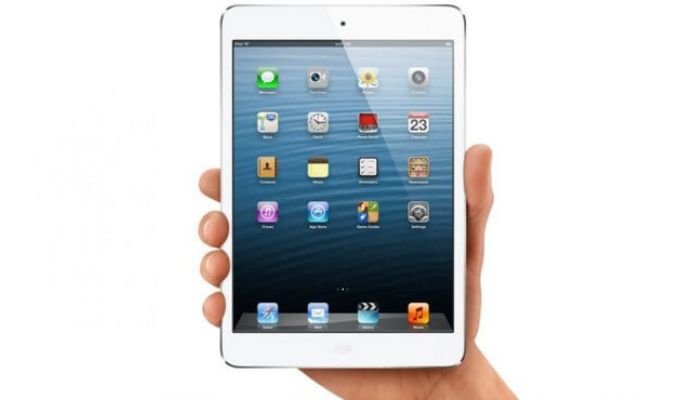
When Steve Jobs unveiled the original iPad on January 27, 2010, he wasn't just introducing a new device; he was defining an entirely new category of personal computing. The world watched as he demonstrated a device that bridged the gap between smartphones and laptops, promising a more intimate and intuitive way to interact with content. Delving into the Technical Specifications and Design of the First-Gen iPad reveals not just the components that made it tick, but the audacious engineering and design philosophy that laid the groundwork for a mobile revolution.
This wasn't merely an oversized iPhone, nor was it a stripped-down laptop. It was a fresh slate, meticulously crafted to prioritize touch interaction and content consumption. Every design choice, from its weighty aluminum enclosure to its custom-designed processor, spoke to a singular vision: to create something utterly simple yet profoundly capable.
At a Glance: The Original iPad's Defining Features
Before we dive deep, here's a quick overview of what made the first-generation iPad stand out:
- Processor: Apple A4 CPU (1 GHz), the first Apple-designed SoC.
- Memory: 256 MB RAM.
- Graphics: PowerVR SGX535 GPU.
- Display: 9.7-inch LED-backlit IPS, 1024x768 resolution (132 ppi), scratch-resistant, multi-touch.
- Operating System: Initially unique iOS 3.2.x, upgradable to iOS 5.1.1.
- Dimensions: 9.56 x 7.47 x 0.5 inches (242.8 x 189.7 x 13.4 mm).
- Weight: 1.5 lbs (Wi-Fi) / 1.6 lbs (Wi-Fi + 3G).
- Battery Life: Up to 10 hours of internet use, 1 month standby.
- Connectivity: Wi-Fi (802.11a/b/g/n), Bluetooth 2.1+EDR, optional 3G data.
- Input/Output: 30-pin connector, 3.5mm headphone jack.
- Sensors: Ambient light sensor, 3-axis accelerometer.
- Notable Omission: No cameras whatsoever.
The Heart of the Beast: Processing Power and Internal Architecture
At the core of the first-gen iPad's capabilities was the 1 GHz Apple A4 CPU, a System-on-a-Chip (SoC) that marked a significant turning point for Apple. This wasn't an off-the-shelf processor; it was Apple's first custom-designed chip, a strategic move that allowed unparalleled control over hardware and software integration.
Paired with this pioneering CPU was a PowerVR SGX535 GPU, a graphics processing unit designed to handle the iPad's display and deliver smooth visual performance for apps and media. While 256 MB of RAM might seem minuscule by today's standards, for the stripped-down, touch-first iOS environment, it was sufficiently optimized to allow for fluid multitasking (within the limits of the OS at the time) and responsive interactions. The device's internal board configuration was codenamed K48AP, and its firmware identifier was iPad1,1 – details that developers and enthusiasts still recognize as hallmarks of this inaugural tablet. This tight integration of custom silicon and a lean operating system was a masterclass in efficiency, proving that raw numbers didn't always tell the whole story when performance was optimized for a specific user experience.
A Window to the World: The Display and User Experience
The iPad's defining feature, perhaps even more than its processor, was its magnificent 9.7-inch LED-backlit IPS display. With a resolution of 1024x768 pixels, it offered a crisp 132 pixels per inch (ppi), making text readable and images vibrant. The IPS (In-Plane Switching) technology was crucial, providing wide viewing angles—a significant advantage for a device often shared or viewed from various positions.
This wasn't just a screen; it was the primary interface. Designed to be highly scratch-resistant, the glass surface was engineered for sensitive finger interaction. It responded effortlessly to swipes, taps, and pinches, truly bringing multi-touch to a larger canvas in an unprecedented way. Complementing this tactile experience were essential sensors: an ambient light sensor automatically adjusted screen brightness for comfortable viewing in any environment, and a 3-axis accelerometer enabled seamless automatic rotation between portrait and landscape orientations. This seemingly simple feature was foundational, allowing users to hold the iPad naturally and have content adapt instantly, whether they were reading an e-book or watching a video. It's a testament to the fact that groundbreaking design often lies in the invisible, seamless interactions that just work. You can Explore the original iPad further to understand its full impact.
Connectivity: Staying in Touch (and Online)
From the outset, Apple offered the first-gen iPad in two main connectivity configurations: Wi-Fi only, and Wi-Fi + 3G. The Wi-Fi model provided essential internet access via 802.11a/b/g/n, alongside Bluetooth 2.1+EDR for connecting accessories like keyboards and headphones. Both Wi-Fi and Bluetooth communication were expertly managed by the Broadcom BCM4329 chip, a reliable component for robust wireless performance.
For those who needed connectivity on the go, the Wi-Fi + 3G model was a game-changer. It packed an Infineon 337S3754 PMB 8878 X-Gold 608 baseband chip, along with Broadcom's BCM4750 chip, specifically for cellular data. This enabled support for UMTS/HSDPA (850, 1900, 2100 MHz) and GSM/EDGE (850, 900, 1800, 1900 MHz) networks, though it was strictly for data; no voice calls were supported. Users inserted a Micro-SIM card to access these cellular services, a format that was relatively new and indicative of Apple's push towards smaller, more integrated components. Powering and charging the device, as well as syncing data with a computer, was handled by Apple's ubiquitous 30-pin connector, a familiar sight for iPhone and iPod users of the era.
Form, Function, and the Physical Footprint
The physical design of the first-gen iPad was an exercise in minimalist elegance, setting a benchmark for tablet aesthetics. Measuring 9.56 inches (242.8 mm) in height, 7.47 inches (189.7 mm) in width, and a mere 0.5 inches (13.4 mm) in depth, it was remarkably thin for its time, yet felt substantial in the hand due to its aluminum unibody construction. The only color option available was black, a sophisticated choice that enhanced its professional and sleek appearance.
Beyond its striking visual appeal, the design was highly functional. A prominent home button below the display served as the primary navigation anchor, while discreet wake/sleep and volume up/down switches were strategically placed on the side. These physical controls offered satisfying tactile feedback, cementing the user's connection to the device. Despite its svelte profile, the iPad was not feather-light. The Wi-Fi model weighed 1.5 pounds (0.68 kg), while its 3G-equipped sibling was slightly heavier at 1.6 pounds (0.73 kg) due to the additional cellular components. This weight, while noticeable, contributed to a sense of quality and durability, rather than feeling cumbersome.
Powering the Experience: Battery Life That Impressed
One of the most critical aspects of any mobile device is its battery life, and the first-generation iPad delivered spectacularly. Apple promised, and largely delivered, up to 10 hours of internet use over Wi-Fi, or an astounding one month of standby time. This was a crucial design decision that profoundly shaped how users interacted with the device.
Such robust battery performance meant the iPad could easily last an entire workday, a cross-country flight, or multiple days of intermittent use without needing a recharge. This freedom from constant tethering was essential for a device positioned as a mobile content consumption and light productivity tool. It allowed users to truly grab and go, fostering a sense of spontaneity and continuous engagement that was revolutionary compared to the typical laptop experience of the time. The focus wasn't just on raw power, but on endurance, making the iPad a reliable companion for extended periods.
The Software Underpinning: From iOS 3.2 to 5.1.1
While the hardware specifications paint a clear picture of the iPad's physical capabilities, its software was equally foundational to its identity. The first-generation iPad launched running unique versions of iOS, specifically tailored as iOS 3.2.x, adapting the familiar iPhone operating system for a larger screen and a tablet-centric user experience.
This initial iOS version introduced tablet-specific features, such as popovers, a redesigned keyboard, and multi-pane views that took advantage of the larger display. Over its lifespan, the first-gen iPad received several software updates, with iOS 5.1.1 being the final compatible version. This means that while the original iPad could run many early apps, its hardware eventually limited its ability to update to newer iOS versions. This natural obsolescence, common in tech, means that devices running iOS 5.1.1 today have limited access to modern apps and services, though they remain fascinating relics for collectors and developers interested in the early days of tablet computing. The careful management of software updates and compatibility defined the usable life of many early Apple devices.
Legacy and Impact: Beyond the Specs Sheet
The Technical Specifications and Design of the First-Gen iPad were more than just a list of components; they represented a bold bet on a new computing paradigm. Despite lacking features that would become standard later (most notably, cameras), the original iPad captivated consumers. Approximately fifteen million units were sold before the announcement of the second generation iPad, a testament to its immediate appeal and utility.
This rapid adoption translated into staggering financial success, with profits from the iPad exceeding the entire PC market-share combined during its initial run. This wasn't merely about selling a new gadget; it was about shifting perceptions of what a computer could be. The design, emphasizing simplicity, a long battery life, and a highly responsive touch interface, proved that a device didn't need a complex file system or a multitude of ports to be incredibly powerful and useful. The first-gen iPad demonstrated that sometimes, taking features away to focus on core experiences could be the most revolutionary design decision of all. It taught the industry that hardware design, when coupled with thoughtful software and a clear user vision, could create an entirely new category that resonated deeply with millions.
The Lasting Blueprint of a Revolution
The first-generation iPad was not just a product; it was a declaration. Its technical specifications—a custom A4 chip, a vibrant IPS display, and remarkable battery life—were carefully selected to deliver a focused experience. Its design, sleek and unencumbered by traditional computing metaphors, ushered in an era where touch became king.
While today's iPads boast vastly more powerful processors, higher-resolution screens, and a suite of advanced features, they all trace their lineage directly back to this foundational device. Understanding the Technical Specifications and Design of the First-Gen iPad isn't just an academic exercise; it's an appreciation of the blueprint for a product category that continues to shape how we work, learn, and play. It was a device born of audacious vision, and its legacy continues to inspire innovation across the tech landscape.